
SEO for ecommerce: more visibility, more revenue
How to generate consistently more organic revenue from your online store through category pages, product content, and technical SEO.
 Google Partner
 Shopify Partner5.0 Google ReviewsSinds 2005 in marketingNext level online succesSEO uitbestedenAI-vindbaarheidWebdesign & webshopsLooptijd 6 of 12 maandenEén vast aanspreekpuntGoogle PartnerShopify Partner5.0 Google ReviewsSinds 2005 in marketingNext level online succesSEO uitbestedenAI-vindbaarheidWebdesign & webshopsLooptijd 6 of 12 maandenEén vast aanspreekpunt
Kort antwoord
SEO for ecommerce: more visibility, more revenue
E-commerce SEO comes down to three things: category pages as your main landing pages, technical setup that doesn't waste crawl budget on faceted URLs, and product pages with unique copy instead of the manufacturer's description.
- Most commercial search queries in e-commerce are category searches, not brand or product names.
- Filter, sort, and session URLs can create thousands of virtually identical pages; canonicals and noindex keep this manageable.
- Your sitemap should only contain indexable URLs, with no filter pages and no redirects.
- Product details (price, stock, reviews) belong in structured data so Google and AI assistants can pick them up.
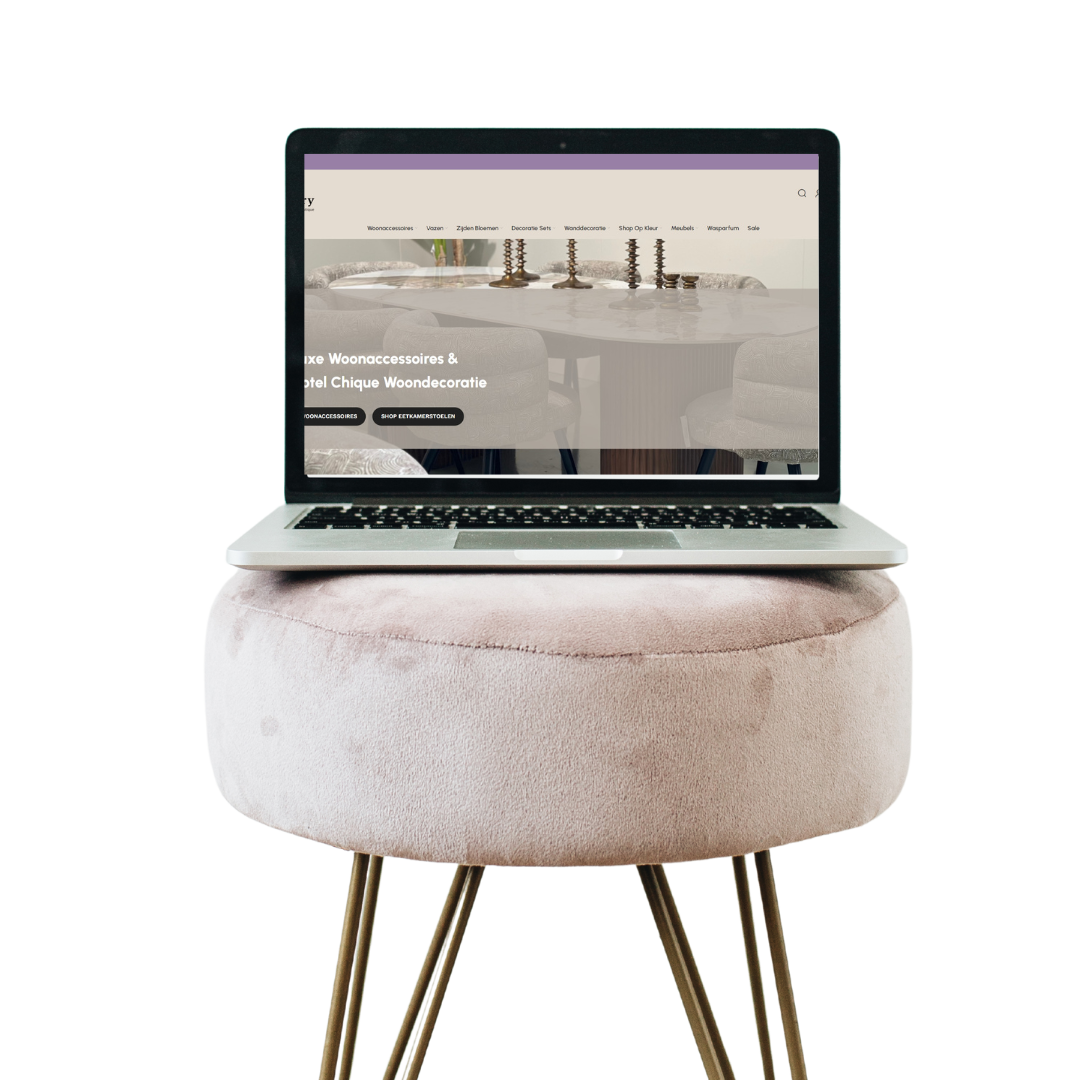
SEO for ecommerce works differently from SEO for service providers. You have hundreds or thousands of URLs, filters that cause duplicate content, and product pages that often only contain the supplier's description. That is precisely where the opportunity lies.
1. Category pages are your most important landing pages
Most commercial searches are category searches. Give every category a unique introduction, a clear H1, internal links to subcategories, and an FAQ section.
2. Eliminate technical waste
Filter URLs, session parameters, and pagination consume crawl budget. Set up canonical tags properly, use noindex where needed, and keep your sitemap clean with indexable URLs only.
3. Make product pages unique
Add your own copy, specifications, reviews, and practical usage information. Products with unique content rank better and convert better, because they leave shoppers with fewer doubts.

Ik hoop dat je dit artikel met plezier leest. Heb je hulp nodig bij SEO, GEO, UX-design, CRO, webdesign of SaaS-software? Klik dan hier en bekijk mijn diensten.
Geschreven door: Lubna Ouarghi
Step by step: where to start with an online shop
First, list your top twenty revenue-driving categories. Give each category its own introduction, a clear H1, and internal links to subcategories and best-selling products.
Next, check Search Console to see which URLs are crawled but not indexed; this is usually filter clutter. Only then should you work on product copy, starting with your highest-margin items.
The mistakes I see most often
Out-of-stock products that suddenly vanish instead of showing an alternative or redirecting properly. Category pages without a single word of text. The exact same supplier description on hundreds of product pages — meaning ten competitors have the identical copy.
And: launching a new e-commerce platform without a redirect plan, wiping out years of hard-won rankings.
Where the gains are by page type
| Page type | Key action |
|---|---|
| Category | Unique introduction, H1, internal links, FAQ block |
| Subcategory | Target specific search intent instead of duplicating |
| Product | Unique copy, specifications, reviews, structured data |
| Filter URL | Canonical or noindex; keep out of the sitemap |
In brief
- 01
The category page is the landing page
That's where commercial search intent lands.
- 02
Stop technical waste
Filter noise wastes crawl budget and indexation.
- 03
Unique product content
Better visibility and less hesitation from buyers.
Frequently asked questions
How much text does a category page need?
Enough to answer the search query and explain your product range. Usually, that means a short introduction above the products and a more detailed FAQ section at the bottom.
What should I do with out-of-stock products?
Keep the page live if the product will return, and show alternatives. If it won't be back, use a 301 redirect to the category or a replacement product.
Does SEO still work if I do dropshipping?
Yes, but unique content is even more crucial: your competitors are selling the exact same product with the same supplier description.
How much does SEO cost for an online shop?
That depends on the number of categories and the technical health of the site. Package prices are listed on the pricing page.
Bronnen en controle
Laatst bijgewerkt en gecontroleerd: September 2026 — door Lubna Ouarghi
This explanation is based on the official documentation below and on my own work in client projects.
- Google Search Central — E-commerce and Search — how Google reads e-commerce pages
- Google — Structured data for products — price, stock, and reviews machine-readable
- Google — Consolidating canonical URLs — managing filter and duplicate URLs
More articles
CRO · 8 min
Neuromarketing op je website: waarom mensen wél of niet op je knop klikken
Hoe keuzegedrag echt werkt en welke aanpassingen in tekst, kleur en plaatsing ervoor zorgen dat bezoekers doorklikken in plaats van afhaken.

SEO · 7 min
SEO-richtlijnen van Google: waar je je echt aan moet houden
Wat Google zelf van je website vraagt, welke veelgehoorde SEO-regels onzin zijn en hoe je binnen de richtlijnen toch snel resultaat boekt.
SEO · 8 min
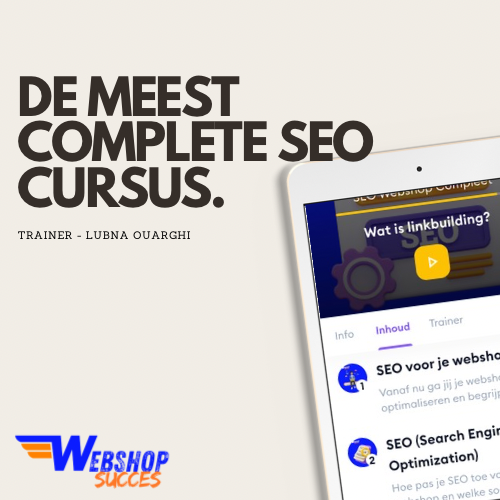
Zoekwoorden kiezen: zo vind je de woorden waar klanten écht op zoeken
Van zoekintentie tot zoekvolume: hoe je zoekwoorden kiest die klanten opleveren in plaats van bezoekers die niets doen.
SEO · 7 min
SEO voor webshops: meer zichtbaarheid, meer omzet
Hoe je met categoriepagina's, productcontent en techniek structureel meer organische omzet uit je webshop haalt.
SEO · 6 min
Wat is SEO en waarom is het belangrijk voor jouw online groei?
Een heldere uitleg van zoekmachineoptimalisatie: de drie pijlers, wat het oplevert en hoe lang het duurt.
SEO · 8 min
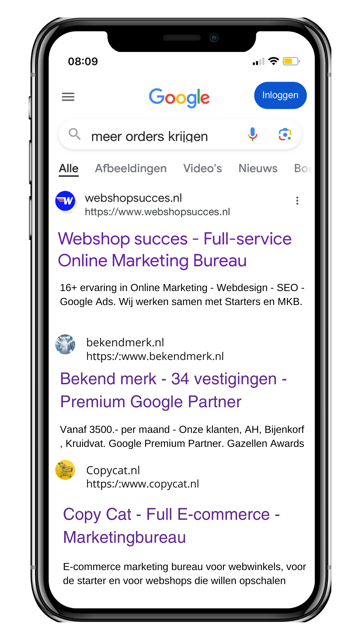
Hoe krijg je kwalitatieve backlinks (en wat zijn backlinks)?
Wat backlinks zijn, waarom kwaliteit belangrijker is dan aantal en welke linkbuilding-methodes in Nederland werken.
Ready to grow?
Request the free growth scan and receive a personalised analysis.
Liever direct sparren?
Vul het formulier in of bel ons direct. Je spreekt altijd een specialist, geen accountmanager die de vraag doorzet.
- Eén vaste contactpersoon
- Maandelijkse rapportage met toelichting
- Heldere looptijd: 6 of 12 maanden
- 20+ jaar ervaring in SEO en e-commerce